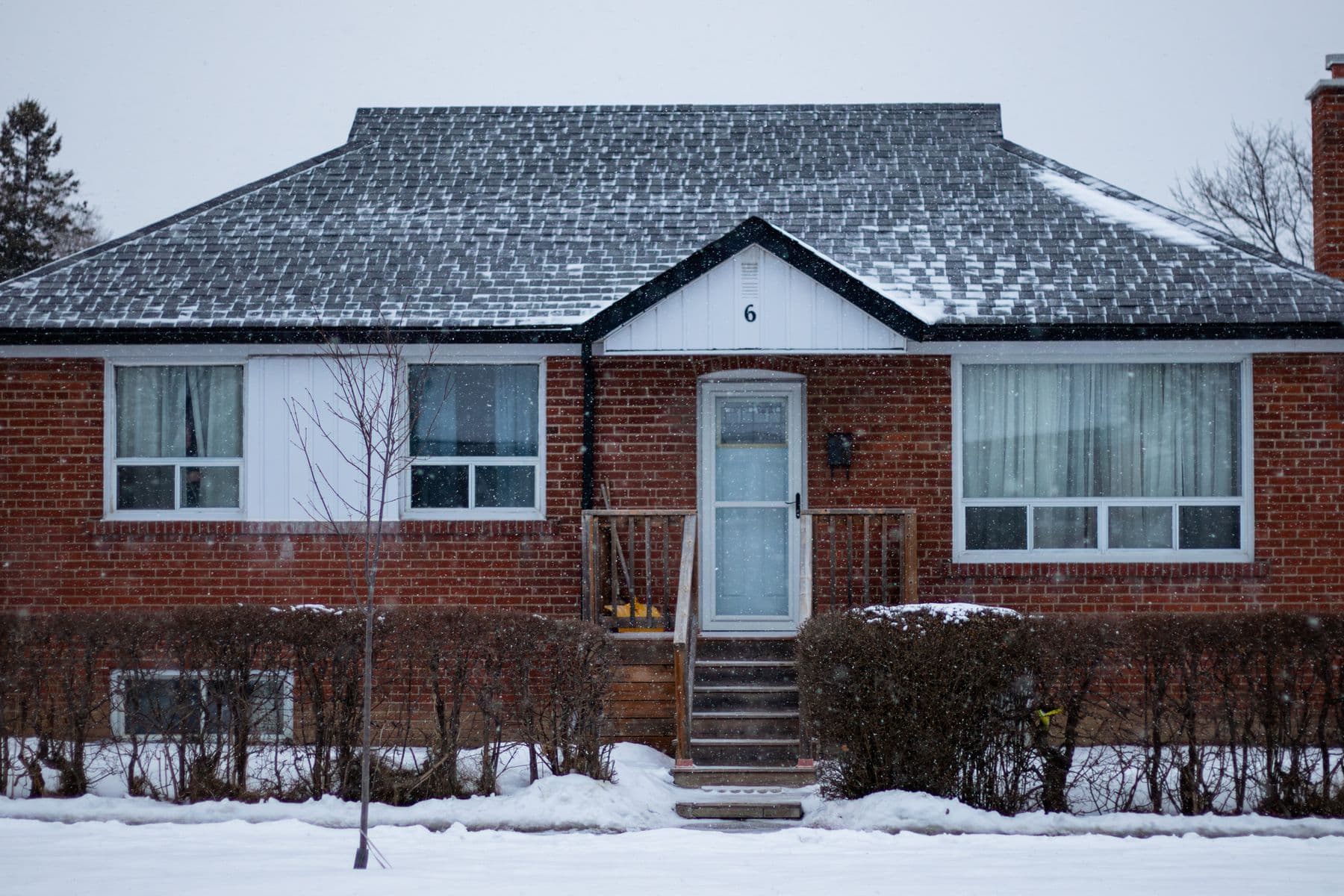
Lawsuit Scenario
A Guest Gets Hurt at Your House Party: Your Liability, Explained
By LiabilityGap EditorialUpdated 7 min read
The short answer
Am I liable if a regular houseguest gets hurt at my home, not just at a party?
Yes, the same as at a party. Occupiers' liability law owes visitors reasonable care regardless of the occasion — a friend over for dinner who trips on a loose stair tread has the same claim as a guest at a crowded party. A stair fall with fractures commonly settles between $50,000 and $250,000 in Canada.
If a guest gets hurt at your house party, the claim can be substantial — a fall down basement stairs or through a deck railing commonly produces claims of $100,000 to $1 million or more. And here's the part that blindsides hosts: the lawsuit usually arrives six to eighteen months later, opened not because your friend turned on you, but because their own insurer paid out for the injury and wants the money back from yours. Friendship doesn't stop these claims, because friendship was never driving them.
Here's the scenario, the numbers, and where the gap is.
The scenario#
A composite of the cases Canadian insurers and courts actually see:
A birthday party, thirty people, drinks flowing. Around 11 p.m. a friend heads down to the basement for more beer. The stairwell light burned out weeks ago — you've been meaning to fix it — and there's no railing on the open side because there never has been. He misses the second step in the dark, falls the rest of the way, and lands badly: a shattered ankle needing plates and screws, plus a concussion.
He's a 44-year-old electrician. He can't climb ladders for eight months. His disability insurer pays him through it — and then exercises its subrogation rights, pursuing recovery in his name. Fourteen months after the party, you're served: $380,000 for income loss, the insurer's payout, future physio, a permanent limp, and pain and suffering. He apologizes when he calls you. He means it. The claim proceeds anyway.
Where do party injuries actually happen?#
Occupiers' liability in most provinces is statutory — a duty to take reasonable care that people on your property are reasonably safe. A party is that duty under load: more people, less light, more alcohol, and every weak point in your house getting traffic it never normally sees. Ranges below are editorial estimates reflecting the pattern of Canadian injury claims, not quotes or predictions:
| The hazard | How the claim happens | Typical range (Canada) |
|---|---|---|
| Stairs — dark, cluttered, no railing | The classic. Basement and exterior steps, late at night | $50,000 – $250,000 |
| Deck or railing failure | Rotting boards, a railing that was never to code, too many people on it | $100,000 – $500,000+ (multiple victims possible) |
| Trips — cords, rugs, clutter, uneven patio | Low severity usually, but frequent; bad when the landing is concrete | $10,000 – $75,000 |
| Falls with head injury | Any of the above with a worse landing | $250,000 – $1 million+ |
| Fire pits, barbecues | Burns; alcohol is nearly always a factor | $25,000 – $200,000 |
The deck row deserves a second look. A railing that gives way doesn't injure one guest — it can drop three people at once onto whatever's below, and each has their own claim against the same $1 million limit. Decks and railings are also where "I didn't know it was rotten" fails as a defence: reasonable care includes inspecting the things you invite thirty people to stand on.
The alcohol layer#
Serving drinks doesn't make you an insurer of your guests, but it raises what reasonable care looks like. Canada's Supreme Court held in 2006 that hosting a party with alcohol doesn't, by itself, make you liable to third parties an intoxicated guest injures after driving away — but courts have left room where hosts kept serving someone visibly impaired, or where minors were involved.
A guest hurt at the party is a different and easier claim: straight occupiers' liability, where the alcohol becomes evidence cutting both ways. Your guest's intoxication is contributory negligence that can shave a meaningful percentage off his claim. Your hosting — the dead stairwell light he had no chance of seeing sober or otherwise — is yours. Courts apportion, and hosts rarely walk away with zero.
How exposed are you? Most people have no idea.
10 questions. 2 minutes. No email needed to see your score.
Check my lawsuit exposureWhy does the claim come from their insurer, not from them?#
This is the mechanism most hosts never see coming, so let's make it concrete:
| Who pursues you | Why |
|---|---|
| The guest's disability or benefits insurer | It paid income replacement or treatment costs and has subrogation rights — the contractual right to recover from whoever was legally at fault, suing in the guest's name |
| The provincial health plan | Several provinces have recovery regimes for care costs caused by a third party's negligence; the claim for the hospital's costs can ride along with the lawsuit |
| The guest's lawyer | Where the injury outruns what any insurer covered — future income, permanent impairment, pain and suffering — a personal claim fills the gap |
Understand what this means: your friend often can't simply let it go. Refusing to cooperate with his insurer's recovery can jeopardize his own benefits. The system is built to route the cost of an injury back to the negligent party's insurance — yours — and the two of you are mostly passengers. This is also why "nobody I know would ever sue me" is the single most expensive sentence in personal liability. Nobody you know has to want to.
One practical rule falls out of this: report the incident to your insurer when it happens, even if your friend insists he's fine and would never make a claim. The claim window is years long, late notice can complicate your coverage, and the version of events documented that night is the version your defence gets to use.
What if it wasn't a party — just a regular houseguest?#
Everything above applies equally to the far more common version of this scenario: no party, no crowd, no alcohol — just a friend over for dinner, a relative staying the weekend, or a coworker dropping something off, who misses the last stair in dim light or slips getting out of the shower. Occupiers' liability law doesn't grade on the occasion. The duty to keep a reasonably safe home for lawful visitors is identical on a quiet Tuesday afternoon and at 11 p.m. on your birthday — the hazard, not the headcount, is what a court looks at.
That's actually the more common claim Canadian insurers see: most guest injuries happen without a party anywhere in the story. If a guest is hurt at your home right now — at a party or not — the first hour matters more than anything discussed above. Our guide to what to do in the first 48 hours after someone falls on your property walks through exactly what to document, who to call first, and the well-meaning instincts (like apologizing in writing or letting an inspector in without your insurer present) that can quietly work against you.
Which policy responds to a guest injury claim, and where does it stop?#
The personal liability section of your homeowner, condo, or tenant policy answers a guest injury claim. It pays your defence — lawyers, experts, the works — and pays the settlement or judgment up to your limit, typically $1 million.
The gaps:
- One limit, many guests. The deck collapse with three injured guests is three claims against one limit. $1 million divides quickly.
- The severe single claim. A head injury to a high-earning guest builds the same way every large Canadian award does — capped pain and suffering (roughly $450,000, the Supreme Court's 1978 ceiling) plus uncapped income loss and future care stacked on top. That arithmetic passes $1 million without difficulty.
- After the limit, you're alone. Once the insurer pays out its limit, its duty to defend generally ends. The unpaid balance is enforced against you — the house, the savings, the next decade of income.
How does umbrella coverage change the outcome?#
A personal umbrella policy sits over your home policy and adds $1 million to $10 million of protection — typically $200–$300 per year for the first $1 million and roughly $50–$75 per year for each additional million (estimates based on typical Canadian broker pricing, not quotes). For a household that hosts, it does three things: catches the judgment above your base limit, keeps funding your defence after the base policy exhausts, and covers the whole household's social life — the cottage weekend, the kid's grad party — because it follows you, not your address.
The bottom line#
Hosting is a legal act, not just a social one: for one evening, the safety of thirty people on your stairs, your deck, and your patio is your responsibility, measured afterward in hindsight by a court. Fix the light, tighten the railing, walk the route your guests will walk. Then accept the part no host likes hearing: if the worst happens, the claim will come — politely, through lawyers, pushed by an insurer with no interest in your friendship — and it will be sized to the injury, not to your policy. Make sure your limit is too.
You host. You have equity. See what one bad party could cost you — in 2 minutes.
10 questions. 2 minutes. No email needed to see your score.
Check my lawsuit exposureFrequently asked questions
Am I liable if a guest is injured at my house party?
You can be. Occupiers' liability law in most provinces requires you to take reasonable care that guests are reasonably safe — dark stairs, a loose railing, a rotting deck board, or an obstacle course of cords and clutter can all support a claim, and alcohol raises the care expected of you as host.
Can a friend really sue me for getting hurt at my party?
Yes, and it happens more than people admit — often because the guest's own insurer requires it. When a disability or benefits insurer pays out for an injury someone else's negligence caused, it can pursue recovery in the guest's name through subrogation. The lawsuit isn't always the friend's idea.
How much do house party injury claims cost in Canada?
A stair fall with fractures commonly settles between $50,000 and $250,000. A deck or railing collapse injuring one or more guests can reach $500,000 or more, and a head injury with lasting effects can exceed $1 million.
Am I liable if a drunk guest leaves my party and hurts someone?
Canada's Supreme Court held in 2006 that simply hosting a party where alcohol is served doesn't, by itself, make you liable to third parties an intoxicated guest injures after leaving. But courts have left the door open where a host kept serving someone visibly drunk or served minors — and a guest injured on your own property is a separate, easier claim against you.
Does home insurance cover a guest injured at my party?
Usually yes — the personal liability section of a homeowner, condo, or tenant policy typically responds to guest injury claims and pays your legal defence. It stops at your policy limit, which for most Canadian households is $1 million.
What should I do if a guest is hurt at my home?
Help them first, then document: photos of where and how it happened, names of who saw it, and a note of what was said. Report it to your insurer even if the guest waves it off — claims routinely surface months later, and late reporting can complicate your coverage.
Does it matter if a guest was hurt at a party versus just visiting on a normal day?
Not to your liability. Occupiers' liability law owes the same duty of reasonable care to anyone lawfully on your property, whether it's thirty people at a birthday party or one friend over for coffee. A houseguest who misses a step on an ordinary Tuesday has exactly the same claim as a party guest who falls down the same stairs.
Sources
How exposed are you? Most people have no idea.
10 questions. 2 minutes. No email needed to see your score.
Check my lawsuit exposureKeep reading
- The complete guideUmbrella Insurance in Canada: The Complete Guide
- RelatedYour Airbnb Guest Gets Hurt: Who Actually Pays?
- RelatedYour Drunk Guest Crashes on the Way Home: Are You Liable?
- GlossarySocial Host Liability
- RelatedSomeone Fell on Your Property: What to Do in the First 48 Hours
- RelatedA Contractor Got Hurt at Your House: WSIB, WCB and the Clearance Letter